It Helps to Know We’re Not Alone

2 corinthians 1

“I get it.”

That’s what I said to my girl.  She was feeling ashamed, a memory from a mistake held her a little hostage.

It was a simple thing that had overwhelmed her: a new situation, someone giving her instructions she didn’t understand, pressure to make a decision and she did the wrong thing.

It wasn’t that she sinned.  She just messed up.  It was a misunderstanding, an accident.

And it deflated her, embarrassment and shame threatening to suck the joy right out of the whole experience.

Weeks later, any time she thought about that day, she still remembered it:  The MISTAKE.

And she felt all that pressure and all that shame and all that self-criticism beat on her all over again.

So, one day I dipped my head down to hers and slipped my arm around her shoulder and I said, “I get this.”

And I do.  If I’m pressured to make a decision, I will almost always do the wrong thing.  My split-second reactions are foolish, and all that imperfection is embarrassing, crushing even, to a perfection-striving girl like me.

Then I told her what I’ve learned and what I’m learning about how to overcome my decision-making deficiency and the way I can mess up and the way I can get buried in shame.

I felt the tension in her shoulders ease at the sound of my confession.  It never occurred to her that she wasn’t alone.  That maybe others, maybe even her mom, does foolish things sometimes. Or that others have a hard time letting go and getting over past mistakes.

There’s power in knowing someone understands.

And, I take comfort in this also, even though Jesus doesn’t understand what it’s like to sin, He does understand what it’s like to be tempted.  He knows what the accusations of Satan sound like.

When he asks me to endure, be patient, withstand trials or suffering, love my enemies, speak truth, or show love, He gets it.  He has been there.

Eugene Peterson wrote:

“Lord Jesus Christ, how grateful I am that You have entered the arena of suffering and hurt and evil.  If all I had were words spoken from a quiet hillside, I would not have what I needed most — Your victory over the worst, Your presence in time of need.”

Jesus could have preached “Blessed are the merciful and the meek and the pure in heart,” and those messages would have been challenging, beautiful even.

But ultimately, they’d be meaningless pep-talks about morality and character.

He didn’t just make speeches, though.

He showed mercy.

He lived with meekness.

He interceded for those crucifying Him as He labored to breathe on the cross.

He remained pure even as Satan tempted Him in the desert.

Jesus didn’t just say it; He lived it.

That’s why the writer of Hebrews reminds us that:

For this reason he had to be made like them, fully human in every way, in order that he might become a merciful and faithful high priest in service to God, and that he might make atonement for the sins of the people.  Because he himself suffered when he was tempted, he is able to help those who are being tempted (Hebrews 2:17-18).

This mercy is our comfort and our joy.

Jesus doesn’t stand aloof and full of judgment, looking down at us for messing up or falling short.

Our merciful High Priest bends down low and helps us overcome.

In the same way, Jesus asks us to do more than just make speeches at people and proclaim truth.  He asks us to live it and then share it.

Paul wrote:

Praise be to the God and Father of our Lord Jesus Christ, the Father of compassion and the God of all comfort,  who comforts us in all our troubles, so that we can comfort those in any trouble with the comfort we ourselves receive from God (1 Corinthians 1:3-4).

So, we who have received mercy, offer others the relief of mercy.

“I get it…I don’t always have it together either.”  That’s what we confess.

We don’t pretend everything is perfect; we share the vulnerability of life.

When we’ve walked through cancer, we love others through cancer.  We who have experienced loss, love others through loss.

We comfort the friend, we share in her struggle, in the bad news, in the mistakes, and we pour out generous helpings of grace because God heaped grace on us.

We give others the gift we’ve received ourselves:  Knowing we’re not alone.
What comfort has God given you so that you may comfort others?

I was tempted to fret

psalm 37-3

I trekked across the parking lot at Epcot in the mid-day August heat with my two-year-old in tow.

Why were we attempting this feat?

Because my son uses Caprisun juice pouches like most kids use pacifiers or a security blanket.  When he is tired, overwhelmed, scared, or maybe even bored, he asks for a juice.

Normally, this is no crisis.  But that day was the final stretch of a six-day marathon at DIsney.

He was tired.

He was a bit overwhelmed.

He was a teeny bit bored because, while Epcot was awesome, he was too small to ride some of the attractions.

That meant he was cruising through our Caprisun supply faster than I anticipated and I was running out.

No fear, though!  I had more in the minivan.  Hence, my mid-day jaunt out to the parking lot.

We finally arrived, a hot, sweaty mess.  I unlocked the van, plopped him on a seat and enjoyed a few seconds of air-conditioning while I pulled Caprisuns out of the cooler.

He promptly hopped into the front seat and pretended to drive.

Then, we walked back to the park and had a grand old time with our refilled Caprisun supply and a happy two-year-old.

But that’s when I began to fret.

Normally, any time my son climbs into the front seat of the minivan, he immediately turns on the lights.  He has an auto-reflex with buttons.

See button.  Push button.

So, we’re touring around Epcot and I’m wondering, “Did my son turn on the van lights?  If he did, did I turn them off?  Will the van battery be dead by the end of the day?  Will we be stranded at Disney in the August heat?  Will we be abandoned forever in an Epcot parking lot?”

My fretting began as a fairly reasonable question and quickly escalated to worries beyond proportion.

I had to get control.

After all, I’ve never been to Disney before.  This was my big chance to enjoy the day with my family.

I could spend it relishing the moment.

Or I could spend it fretting over a hypothetical future.

It was my choice.

I considered the worst case scenario: He turned on the lights and I didn’t turn them off.  The van battery is drained.  We ask the Disney car-rescue people to jumpstart our van.

Would it be miserable?

Probably.

Would I survive?

Well, yeah.

So, could I let it go?

Yes, I could.

At the end of the day, we found the minivan with its lights off.  No crisis at all.

Had I spent the day worrying, I’d have wasted every joy-filled moment on a hypothetical that never happened.

The truth is, we have plenty of opportunities to fret in life and most of them are for naught.

We often worry over a future we’ll never face and circumstances we won’t even endure.

I certainly had a week full of chances to choose to fret or choose to trust.

Our cat became extremely ill just as we left for Disney.  An odd warning light flicked on in our minivan just as we pulled into the first Disney parking lot. My husband’s car sat at a repair shop back home waiting for the mechanic’s verdict about brakes.

Fret, fret, fret.  I could have done it all week long.

But God cared for us: Cars without the problems we expected, a cat who was better cared for than we could have even cared for him ourselves.

All those opportunities to worry became opportunities to trust Him and find the blessing of His grace and abundance.

During the week, I read Psalm 37 once again:

Fret not yourself because of evildoers;
    be not envious of wrongdoers!
For they will soon fade like the grass
    and wither like the green herb.

Trust in the Lord, and do good;
    dwell in the land and befriend faithfulness.
Delight yourself in the Lord,
    and he will give you the desires of your heart.

Commit your way to the Lord;
    trust in him, and he will act.

David was tempted to fret also, in his case over evildoers who seemed to get ahead.

But, like me, he had to discipline his vision.

Where was he looking?  At circumstances?  Hypothetical tragedies?  At others?

No, he recaptured an eternal perspective.  What truly matters in the light of heaven? (verse 2).

He focused on God:  trusting Him, delighting in Him, and committing his ways to the Lord.

And then he chose to “do good.”  He didn’t remain paralyzed by the fear and the fretting; he took one right and true step forward at a time and kept on moving closer to God.

We can do the same.

Recapture a vision of heaven.

Fix our eyes on Jesus.

Take the next good step and trust Him with everything else.

Are We There Yet?

psalm 130“Are we there yet?”

Twelve+ hours in the car with four kids means you’re bound to hear that question a time or two or a hundred.

Really, though, my kids did pretty well on our journey to Disney and back.  We had one outright, “Are we there yet?” yelled up from the backseat.

And one time my baby girl tried to pull one over on us:  “How many miles is it to Florida and how long does it take us to drive one mile?”

She figured her math skills would come in handy. She didn’t really have to ask us for an arrival time estimate; she could just gather some info, answer on her own, and we’d be none the wiser.

We didn’t fall for her tricky ways.

But this is the question I find myself asking at times, too.

Are we there yet, Lord?

And it’s wrapped up in childlike fears and wants.

It’s my own impatience, the wanting to be done already, the desire to wrap up the story I’m in with a fairy tale sort of sweet, happy ending.

It’s having a goal in mind, a picture and vision of what’s to come.   We’ll know when the journey is over when we get that job or that promotion, when the prodigal comes home, when the relationship heals or the body heals or the heart heals.

For my kids, they knew their story end was Disney World one way and Home on the trip back.

Then, when you pull into the driveway and park your minivan, you’re done.  The End.  Finished.

You have arrived at your destination.

That’s not always so easy to discern in life, though.  When I ask God, “are we there yet?” it’s not just childish impatience because I want the journey to be over already.  Sometimes I’m just wondering “Is this IT?”

Is this the end, the destination?  Is this where the journey stops and the story finishes?  Is this the completed work?

Or is there more?  Is the story ongoing?  Do I keep praying through these circumstances and trust that we’re not at the end; we’re just somewhere in the middle?

In the silence and in the waiting and in the lull of visible God-activity, I’m tempted to settle into a “new normal.”

This must be “it.”  So, I settle down into complacency and resolution.

I don’t love this ending.  It’s not what I hoped for.  I don’t see God glorified.  The story feels unfinished; the promises unfulfilled.

So, “are we there yet, God?”

Because here is where I am.

The Psalmist said:

I wait for the Lord, my soul waits,
    and in his word I hope;
my soul waits for the Lord
    more than watchmen for the morning,
    more than watchmen for the morning (Psalm 130:5-6 ESV).

Philip Yancey writes,

The picture comes to mind of a watchman counting the minutes for his shift to be over.

The watchmen have this advantage over me, though.  They know when morning has come.  All through the night, they count down those minutes with anticipation and hope:  1 a.m.,  3 a.m. 4:30 a.m.

Then the moment arrives. Dawn.  Morning is here and their shift is over.  Finished.  Completed.  The end.

What to do, though, when The End isn’t so clear?

Maybe the problem is the question I’ve been asking.

Maybe it shouldn’t be, “Are we there, yet?”

Maybe I should be asking, “Am I with you, Lord?”

After all, family time on vacation didn’t begin at Disney.  Family time didn’t end when we pulled into our driveway at home.  We choose to be together throughout the journey.

The Psalmist said he waits for the Lord.  He hopes in His Word.

Not he waits for deliverance and he hopes in his army or his friends or allies.

And that time with the Lord doesn’t begin with the answered prayer.  It doesn’t end with promises fulfilled.

It’s here and now, it’s past and it’s future.

This very moment, the one right here where we feel stalled and uncertain about the future, the season of waiting and in the hours when we wonder if God has finished with us and we didn’t even know it…this is all the opportunity to choose hope.

Not hope for an outcome: Hope for Him and hope for His presence.

And so we don’t wait with impatience.

We wait with anticipation of what He’s doing in this grand story, knowing that “The End” doesn’t come until we’re with Jesus, face to face, in the fullness of His glory, worshiping at His throne.

When Your Toddler Knows Your First Name

1 john 3-1

“James”

“Daddy.”

“James on the phone.”

“Yes, Daddy is on the phone.”

“James.”

This is the back-and-forth conversation my two-year-old son and I have been having.

Over the summer, he mysteriously figured out his dad’s first name and started using it.  We’re not exactly sure how this happened.  He just started saying, “James” out of the blue.  We didn’t teach it to him.

So, for about two weeks it became:

“James on the phone.”

“James at work.”

It was “James” this and “James” that.

I kept correcting him and it took him time to understand that “Daddy” and “James” are just two names for the same person.  But while lots of people might call him “James” only a few people get to call him “Daddy.”

And, two-year-old children don’t get to call their dads by their first names.

Besides that, “Daddy” is the personal name, the relational name.  It’s not just about what is technically on the birth certificate or what anyone can call him whether they are stranger or friend.

“Daddy” shows the privilege of intimacy, position and belonging.

And this matters, not just when we’re talking about family, but when we’re talking to God.

Why would my son choose “James” when he has the privilege of position, the right to call him “Dad?”

Why would we choose distance when God offers us His very presence?

Sometimes, that’s what we do, though.

It can creep up on us so stealthily. One morning we realize we’ve been calling God by formal names and keeping the conversations “all business” instead of making it personal.

Perhaps we’re like Israel out in the wilderness, heading out of Egypt after the grand and glorious displays of God’s might.

Usually, we say that God brought them out of Egypt so He could take them to the Promised Land.

But that wasn’t God’s first intention for His people.  Instead, He took them to Mount Sinai to meet with them.

As John Bevere writes in Drawing Near:

Remember God’s words to Pharaoh, through Moses, “”let my people go, so that they may worship me in the desert” Ex. 7:16 NIV). It was not “Let my people go, so they can inherit a land” (p. 4).

But at the foot of that holy mountain, they knew their sin stood in the way.  They could never survive the presence of the Holy God, so they told Moses,

Go near and hear all that the Lord our God will say, and speak to us all that the Lord our God will speak to you, and we will hear and do it.’ (Deut. 5:27 ESV).

Instead of drawing near themselves, they sent in a go-between, an intermediary. Moses could hear from God and tell them about it later.

If only they’d been prepared for His presence. If only their hearts were pure and made ready.

Instead, God said,

“Return to your tents” (Deut. 5:30 ESV).

John Bevere says:

How God’s heart must have broke, and how heavy was Moses’ heart as he returned….God brought them out of Egypt for one reason—to bring them to Himself—and they missed it” (p. 75)

I don’t want to miss it!  When God brings us to Himself, may we be ready to go up, not sent back down to tents far from His presence.

Or maybe we’re like Martha in the New Testament, who allowed busyness, stress, and too many distractions from too many worries keep her from the feet of Christ?

Maybe it’s that we fear what God will ask of us.  Like the Rich Young Ruler in Mark 10, we think we want to be with Jesus, but then He asks us to give up position or power or possessions or habits or relationships or plans and dreams.  And the choice is harder; we want God, but do we want Him more than everything else?

Or perhaps it’s the slow drift, drift, drift of our hearts, worn down by the daily grind, where time with Him is duty and not delight.

Or maybe our hearts are tender and bruised with disappointment because even though we know God is good, and even though we know He’ll never leave us, we’re hurt.  Prayers weren’t answered the way we hoped.  Expectations weren’t met.  Dreams didn’t work out.  Healing didn’t come.

So, we cradle our hearts with a wall of self-protection, not just from others—from God Himself.

But here’s what Scripture promises:

See what kind of love the Father has given to us, that we should be called children of God; and so we are (1 John 3:1 ESV).

We are His children.  His beloved.

That means relationship.  It means repenting. It means talking it out when we’re hurt. It means choosing to trust.  It means drawing near and knocking down walls.

And He allows us, invites us even, to draw near, to call Him “Father,” to call Him “Dad.”


Rebooting the Calendar in August

psalm 143-8

“Mom, I saw the Boy Scouts float in the Christmas parade.”

This is how my oldest daughter started that conversation about six years ago.

“Uh huh.”  I said hesitantly.  She clearly had an agenda for this conversation and I couldn’t tell what it was yet.

“Well, if there are Boy Scouts, does that mean there are Girl Scouts?”

Oh, now I understood.  She saw those Boy Scouts and she thought surely if there are Girl Scouts she should join them.

But of course she also wanted art lessons and horseback riding lessons and swim lessons on top of the church activities and ballet classes she was already taking.

“Babe, yes there are Girl Scouts.  But, you can’t do everything.  You are doing ballet.  Do you want to stop doing ballet?”

“Nope.”

Okay then.

We had that conversation about six years ago and we had something like it again this week and the week before that and probably every single week of her life since she turned five.

My husband tells her that she’d have to live a hundred lifetimes in order to do all the things she wants to do.

That sounds about right.

I consider this now as I step into August and begin my annual prayer season over our fall family schedule.

Every August, I reboot the family calendar.

In the past week, I’ve received several requests to join and lead, to volunteer and help out.  They are coming at me in email messages, newsletters, and meetings.

So, just like my daughter, I need the time to evaluate and prioritize.  I need to know God’s will, His plan, and His heart for me in the year ahead before I jump into anything.

I’m imperfect and a work in progress on this.  Sometimes, we still end up weighed down with too much.  Sometimes the balance is just right.

But here’s where I begin:

  1. Spend the first part of August praying and not committing (if possible)Ask God to give you His heart for this season and ask Him to give you a sense of purpose and priority.  I pray through these verses:

    If any of you lacks wisdom, let him ask God, who gives generously to all without reproach, and it will be given him (James 1:5 ESV)

    Teach me the way in which I should walk;
    For to You I lift up my soul (Psalm 143:8 NASB).

  2.  Ask Him if there’s anything you need to step down from or let go of.   Don’t do just because you’ve always done.  Submit your current activities to Him in prayer and seek His guidance.
  3. In mid-August, mark a calendar or sketch out in a notebook what your non-negotiables are.   This might be the school calendar, your work schedule, or church activities.
  4.  If you have kids, pray with them and make decisions about fall activities.  Decide what to keep and what to eliminate.
  5. Pray over any possible new activity or commitment and ask if it fits in with God’s plan and purpose for you in this season.  If He’s been teaching you about prayer, the prayer group might be “yes” and the small group discussion time a “no.”  If He has given you a heart for kids, perhaps it’s “yes” for the kids’ ministry and “no” for the food ministry.
  6. Be accountable.  Before you say “yes” or “no,” pray about it with your spouse or seek counsel from someone you trust.
  7. Do leave blank space on the calendar for the unexpected, the last-minute, and the chance to rest. 

When it’s all sketched out, I pray again for God to make any necessary changes, and to stop me, move me, guide me as He sees fit.

People may disagree with your schedule and that’s okay.

You may hear how if you’re a good Christian….a good wife….a good mom…then clearly you’d sign up for another program or event.

On the other hand, others might tell you that you’re doing too much and you need to focus more at home.

This is why the August reboot is personal and prayerful.  It is between you and God.

He knows whether you function better with lots of activity or little activity and this is not the same for everyone!

Mark 3 tells us:

And he appointed twelve…so that they might be with him and he might send them out… (Mark 3:14 ESV).

Jesus’ first priority for the disciples was that they be with Him.  It’s the same for us.  We can’t let busyness strangle and suffocate us and leave us with no time to be in His presence.

Our first priority must be to be with Him.

But He also sent them out and we should be willing to go out also, out of our homes, outside of our families, our comfy cliques, our routines, and our comfort zones.  We go where He leads us to go.

So we personally and prayerfully seek Him and His plan for our year–to be with Him and to be sent out for Him.


I Blame the Weather App

Proverbs 3-5.jpg

I love summer.

I’m not a fan of heat and humidity, but otherwise, I really love it.

I love my kids being home and the quiet nights of freedom instead of the evenings rushing to activities.

I love not having an hour of homework and a surprise project sent home on the one week you don’t have time for an extra project.

I love lightning bugs and lemonade and concerts by the beach.

I love not rushing through the morning routine every day to make the bus on time.

Love it.

But last year my husband said he thought I was more stressed during the summer.

So, I wonder, how can I feel like I love summer so much and yet exude stress to others?

I blame it on the weather app.

Because, as much as I love summer, what I really love is a plan.  Summer would be so much more fun for me if I could just schedule every relaxing activity, every day trip, every play date on my calendar in May.

That way, I would know exactly what kind of fun I was going to have every single day from June through August.

Perfect! It’s probably the only way besides outdoor air-conditioning that I could possibly improve on the whole concept of summer.

But, alas, the essential unpredictability of life bumps into my happy bubble.

So, one day I’m blissfully driving my minivan into town for a walk on Main Street.   The sages who run my weather app say there is 0% chance of rain for the next few hours.

It starts raining on me as I drive.

Maybe we need to have a chat about what 0% really means.  I mean, I’ll allow for a tiny bit of rain if there is even 10% chance of precipitation.  But when you say 0%, I’m kind of going to count on sunshine.

Last summer, I foolishly thought ahead, gathered information, and made a plan for a week of summer fun.  I even wrote on my calendar in Sharpie marker.

Sharpie marker! That’s permanent planning for you.

I checked the commitments we already had on the calendar.  I checked my weather app.  This day would be gorgeous.  I could take my kids somewhere outside.  It will be 86 and sunny.  Perfect.

On Sunday, though, my weather app reloaded with new numbers.  Surprise!  It would be 95 and gross outside.  Make a new plan.

I hate making new plans.

I get it.  Really, I do.  The weather folks have a tough job with vocal, unreasonable critics like me who mistake ‘predictions’ for facts.  It’s a complicated system and God can move clouds and alter weather patterns at will.

But here’s the bottom line.  What stresses me out about summer is that I am forced into a flexibility I don’t possess.

It’s like my daughters complaining about doing the splits in dance class.  I’m yelling at the pain as my Teacher assures me I can go a little lower.

This feels as low as I can go. It hurts.  I’m pretty sure I could snap some bones and permanently damage my hips with all this forced flexibility.

And, one of the few thing I hate more than changes in plans is making decisions.  But every time a plan changes, I get to make a new decision about something I had already decided before.

I am now making double the decisions and trying to make them with constantly changing, thoroughly unreliable information.

I hate summer.

Oh really, what I need, what I truly, deep-down really need is grace.

God made me a planner.  He etched agendas and schedules and calendars on my soul.  He loves me enough to use all that’s good about my planning ways, but He won’t leave me here with the pitfalls of control and idolatry and lack of trust.

He stretches me into someone even more beautiful and Jesus-filled:  A planner who trust Him with her plans.

That means not hyperventilating when someone calls me and asks to interrupt my plans for the day.

It means checking the weather app without a meltdown.

It means getting rained on sometimes and just laughing in the rain.

It means making a decisions that turn out to be wrong and just letting that go instead of allowing it to throw me into a mudpit of self-condemnation.

Maybe I can learn to really love summer after all.  It won’t be easy, of course, but it will be God at work in me, and that’s beautiful.

Trust God from the bottom of your heart;
    don’t try to figure out everything on your own.
Listen for God’s voice in everything you do, everywhere you go;
    he’s the one who will keep you on track (Proverbs 3:5-6 MSG).

We Can Never Know What It’s Really Like

love does not envy

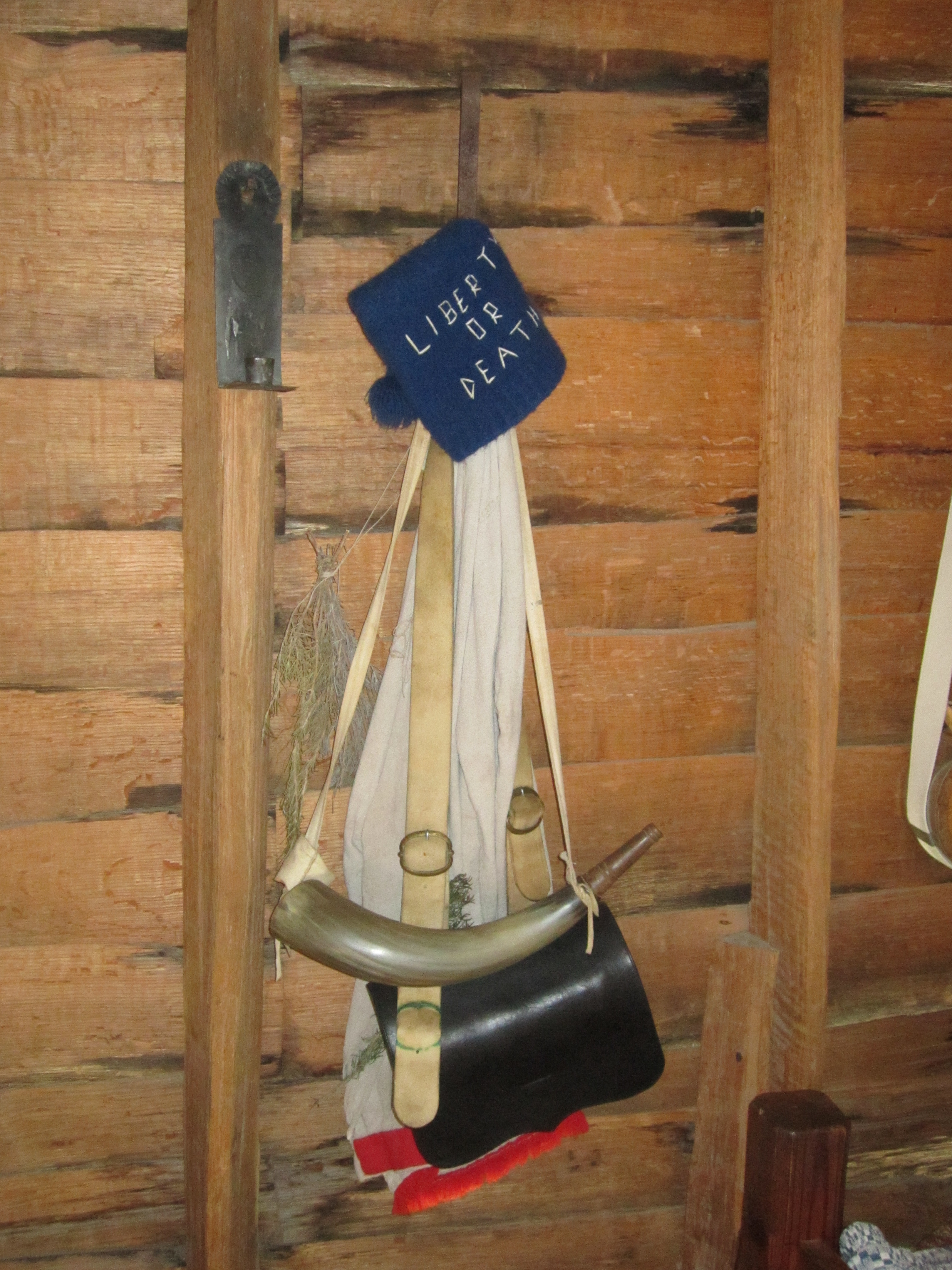
The regimental surgeon made us squirm as he held up what looked like medieval torture devices, but were really medical tools used in the Revolutionary War.

A farmer’s wife rolled a slightly wrinkled potato in a barrel of sand, lifted the lid to a jar of pickled eggs, and ran her hand through the dried fruit and beans she had prepared.

The cloth maker laid wool and linen socks out to dry after dipping them in a natural yellow dye of onion skin.IMG_3442

At the encampment, the soldiers drilled us on firing a cannon before shouting out, “make ready” and signaling us all to cover our ears for the blast.

This summer we’ve toured two of the three major historic sites in our area, asked all the usual questions about 17th and 18th century life, and chatted about whether we would want to live before refrigeration, air conditioning, indoor plumbing, voting rights for women, the abolition of slavery, the discovery of antibiotics, and the creation of Wal-Mart and Target.

We think not.

But we happily visit to see how people lived in other times without experiencing extreme levels of discomfort ourselves.

Sure, we might be losing ten pounds a day sweating in the middle of July while listening to the interpreters talk about cooking in clay ovens and fighting the British army.

But, we’re wearing short sleeves and shorts and we retreat to air conditioning as soon as the tour ends.

And really, aren’t we always prevented from fully experiencing life as another person?

We might glance over someone’s life, making judgments and assumptions from a safe distance, but we’ll never fully know what it feels like to be her.

It’s a lesson that trips me into pits of envy and shocks me into disappointment over and over again.

Women I’ve thought were perfect, the ones I envied, had the houses, the marriages, the kids, the finances, the vacations, the looks and style I wanted–everything just exactly right–these same women shouldered burdens I couldn’t see and carried weights I couldn’t comprehend.

I made my assumptions based on superficial evidence and my envy grew based on inaccurate and unfair comparisons between what her life appeared to be and what I knew my life was.

Yet, inevitably the façade collapses.  The truth is no one’s life is perfect.  Too often the closed doors of her pristine home concealed struggles and strife no one expected or knew existed.

If we’re ever to overcome envy, we have to stop being duped by projected images and pretend lives.

Instead, we choose contentment in our own real lives with our real husbands in our real homes with our real kids.

Because the endless comparisons cost us contentment, rob us of peace, and steal our joy.

Kay Warren writes:

Joy is the settled assurance that God is in control of all the details of my life, the quiet confidence that ultimately everything is going to be all right and the determined choice to praise God in all things (Choose Joy)

In a similar way, George Fox wrote this prayer:

Grant us, O Lord, the blessing of those whose minds are stayed on You, so that we may be kept in perfect peace: a peace which cannot be broken.  Let not our minds rest upon any creature, but only in the Creator; not upon goods, things, houses, lands, inventions of vanities, or foolish fashions, lest, our peace being broken, we become cross and brittle and given over to envy.  From all such, deliver us, O God, and grant us Your peace  (Yours is the Day, Lord; Yours is the Night, 42).

We choose peace when we discipline our mind to be content with what God has given us. 

More than this.  We don’t just accept the gifts God gives; we are grateful for them.  We find ways to give thanks even when it’s hard.

We redirect our mind whenever we focus on what we don’t have and choose instead to praise God for what He’s done and how He’s blessed us.

Proverbs tells us:

“A tranquil heart is life to the body, but jealousy is rottenness to the bones” (Proverbs 14:30 HCSB).

Envy can eat us up like cancer, destroying us from the inside out.  It’s crippling, devastating, and, if left untreated, all-consuming.

But that tranquil heart is a heart at peace, content with God’s gifts, certain that God uniquely designed you for these blessings and this life.

Yes, His gifts to us are good.

It’s a heart quietly and purposefully thankful for what is real rather than fooled into wanting imagined perfections, fictional ideals, faulty perceptions, and mistaken judgments.

Contentment requires getting real and getting grateful, recognizing that we don’t need perfection in order to have joy; we just need Jesus.

Originally published 7/19/2013

Packing for Camp 101 (and the essential truth we all need to know)

1 chronicles 28

The first time we sent our older girls away to summer camp, it was just for a weekend.  For younger kids, it was a “get your feet wet” kind of experience, stay two nights at camp, have lots of fun, and then plan on coming back for the full week the next time.

So, for a two-night camp, we packed three shirts and three pairs of shorts so they’d have a spare plus a pair of jeans and a skirt and top they could use for a chapel service if they needed to look nice.

I picked them up at the end of the weekend and they were dressed in some crazy outfit : Skirt and camp t-shirt or jeans (in 100+degree weather).

Why the fashion mish-mash?

Simple. They ran out of clothes.

At home, I opened up their duffel bags and discovered their clothes were wet.  All of them.

This year, our packing strategy was simple.  Pack pretty much every piece of clothing they own.

Well, that might be a bit exaggerated.  But seriously.  I packed a lot of extra clothes plus two beach towels and two bath towels and two different swimming outfits.

We packed a lot.

Then, for the entire week before camp, I gave them great words of wisdom.

I said things like, “Make good choices.  Listen to your counselors.  Don’t be afraid.  Try new things.  Be kind and make new friends.  Sleep.  Don’t spend all your money at the camp store in one day.”

Oh, and this little treasure, “If you buy soda at the camp store, do NOT buy Mountain Dew.  Sprite has no caffeine–fine.  Coke has some caffeine, not the best, but I won’t freak out.  But please do NOT buy Mountain Dew.”

Those words came from experience.  Last time I picked them up, they’d discovered Mountain Dew for the first time.

But I also gave them this little tidbit of advice over and over and over again: “Hang up your wet clothes.  Seriously.  Towels get hung up to dry.  Do not toss your wet swimsuit and towel into your suitcase with your other clothes.”

These are some of the last words I said to them before we waved goodbye at drop-off.

“I love you” and “Hang up wet things.”

My husband, on the other hand, had his own wisdom to share over and over before camp. And when we said goodbye, he said it again. He leaned over to kiss their heads, told them, “I love you,” and then give instruction:

“Wear sunscreen.  At all times.  All over your face.  Use your bug spray.  Wear your hat every single time you go outside.”

This is the what we worry over because we’re not with them to make sure they are safe, taking care of themselves, and keeping their clothes dry.

Or that they aren’t drinking Mountain Dew, are eating reasonable meals, and are being respectful to their camp counselors.

They will be making choices every day and we have to trust that after all our training, these choices will be good ones.

So, we said goodbye for the week.  We met their counselors, dropped off their luggage, watched as they picked out bunks, and then left.

And now, I’m praying and praying and praying.

This independence-training has been gradual: a few hours of preschool a few days a week.  School days.  Middle school starts in just a few weeks for my oldest girl with more decisions, bigger ones, and more independence.

Do they know what really matters?

Today, I read how David commissioned his son, Solomon.  What were those essential things David said before he died and Solomon took over the kingdom?

He said,

And you, Solomon my son, know the God of your father and serve him with a whole heart and with a willing mind, for the Lord searches all hearts and understands every plan and thought.  If you seek him, he will be found by you…Be careful now, for the Lord has chosen you to build a house for the sanctuary; be strong and do it (1 Chronicles 28:9-10 ESV).

I’m sure David trained Solomon in other ways.  He gathered the supplies Solomon would need to build the temple so that his son would be fully equipped for his calling.

But this is the essential truth:

Seek the Lord.

Serve Him wholeheartedly.

Be strong and do the work He has called you to do.

And when it comes down to it, this is the essential truth for us and the essential truth I want my kids to remember when I’m not with them.

Of course, wearing sunscreen and hanging up your towels doesn’t hurt!

But in the middle of a thousand messages and overwhelming choices, here’s what God tells us:

Seek me.
Serve me.
Be strong and fulfill your calling.

This is what really matters.


Giving Thanks Despite the Pain

psalm 9-1

It all started like this:

One can of those Pillsbury rolls, the kind where you have to pop the seal and you jump 2 feet in the air in surprise when you open them. .

Plus:

One bare foot.

Plus:

One sleepy mom on a Sunday morning.

Equals:

A can of Pillsbury cinnamon rolls slamming down onto that bare foot causing that sleepy mom a great deal of pain.

I limped around most of Sunday and finally eased my foot out of my shoe Sunday evening (after finally giving up on the pain just going away.)

My big toe was swollen and green (yes, green).

Nice.  I guess I broke my toe or something along those medical lines.

And, when you move around doing a lot of stuff (as a mom with four kids does), it turns out you kind of need your big toe not to be throbbing with excruciating pain.

Who knew?

I’ve been celebrating the tiny stages of recovery this week. Sure, my foot has changed a few colors, but it hurts less.

Yesterday I could move my toe and wear a regular pair of shoes again.

But now, since I’ve been walking funny for four days, I’ve noticed aches in my leg and other toes.

They are a reminder that something isn’t doing it’s job in my body and other parts are compensating.

This tiny bit of brokenness, this irritating ache has me aware.

I’m aware of my toe’s value, of everything I’ve taken for granted and all that it normally does for me.

I’m aware of what I actually need to do and what I can let go of for a while until I’m walking again without the limp.

And, I’m aware of tiny graces and the mercies I might otherwise overlook.

I remember the moment I realized my toe wasn’t going to simply sting for a few minutes and then feel better.

“Great,” I thought, “I have to do Children’s Church today!  Tomorrow, I start a week with a whole lot of driving and times when I’ll be working with kids and moving all around.  This is really bad timing.”

That’s true, of course.  My week would have been easier without a foot injury.

But I’ve been okay.

Sometimes we can work ourselves up into despair.  The one thing we pray won’t happen (of course) happens. We can’t ever see it getting better.  The timing is awful.  The provision is scarce.

And all that might very well be true.

Even then, though, even in the worst…or the uncomfortable, the painful, the unwanted, the heartbreaking, and the disappointing. He can transform the “worst thing” into a “God thing” with whispers of His grace, hints of His love, and reminders of His presence.

It’s like getting a thank you card just when you felt overlooked.

Or your two-year-old son not having a tantrum during that important meeting even though he missed his nap today.

It’s getting unexpected provision when you felt overwhelmed by one extra expense too many this month.

It’s God’s comfort and strength as you mourn.

It’s making it through the week with an aching toe and it all working out just fine even when you didn’t think it could.

I’ve been praying so much this year–for others, for my family–for big miracles, for visible deliverance, for undeniable healing, for rescue and provision.

But I also want to be aware of the daily blessings, the brushes with grace, the tender mercies.

I want to remember the way God sometimes doesn’t deliver me from difficult circumstances or disappointment or hurt.  But He does deliver me through. 

The Psalmist wrote:

I will give thanks to the Lord with my whole heart;
    I will recount all of your wonderful deeds.” (Psalm 9:1 ESV)

ALL His wonderful deeds–not just the grand ones.

Timothy Keller says,

“We must discern God’s ‘wonderful deeds’ in our lives, a phrase that can refer to dramatic miracles like the parting of the Red Sea. However, we must also learn to see the more subtle ways God comforts us just when we were ready to give up, or brings the right friend or book or line of thinking into our lives just when we needed it” (The Songs of Jesus).

God didn’t keep that cinnamon roll can from hitting my toe.  He didn’t miraculously heal my foot after I’d hurt it.

Those would have been wonderful.

But He’s helping me make it through, and that’s wonderful, too.

He’s changing my focus from the worst, the disappointment, the hurt and the stress to His comfort and help just when I need it.

And I give Him thanks with all my heart.

Breathing In When You’re Running out of Breath

zechariah4-6.jpg

She holds the marshmallow too close to the blue flame and it ignites.  Then she blows with one puff of her cheeks and giggles at the sight of her charred and blackened puff of sugar on a stick.

I tease her that she burns them on purpose and she confesses as much: “I like them crispy.”

We’ve huddled around the tiny Sterno burner set in the middle of our kitchen table with long forks poked through marshmallows to roast them and make S’mores, a favorite treat.

On a night when we have time, when we miraculously aren’t scarfing down dinner and rushing into the car for an evening of dance and church and the like, we enjoy roasting marshmallows over the flame.

Not living on a campground, however, we use the Sterno instead.

When we’ve each charred our marshmallow and smashed it down on the milk chocolate with the two graham crackers, I smother the flame with the lid, blocking the fire from the necessary oxygen for burning and thriving.

And it dies.

Just sputters right out, so simply, so quickly, so inevitably… suffocation through lack of breath.

How breathless I’ve been, I think as the flame fades.

The running, the pace, the schedule.

The remembering: appointments, pick-up times, forms, and camps, and stuff–lots and lots of stuff every time we load into the van to head out the door..

And I try not to forget the words I’ve stuck to my fridge:  Love is patient.

Or forget that people matter most and how to love and give to them and make them the priority.

I’m remembering that, too.

It’s beauty day in and day out, watching these children grow, loving on them, learning from them.  This is the blessing that makes me pause and whisper thanks to God.

It’s beauty to minister, beauty to serve, beauty to love others with God’s love and to give generously to them just as He has given generous heaps of mercy and grace to me.

Beauty takes sacrifice, though, it takes giving and giving and giving, and sometimes we have intense seasons of pouring out, those times when we’re on-the-go or fulfilling need.

Maybe it’s caregiving.

Maybe it’s those first weeks with a newborn.

Maybe it’s just a week of summer day camp!

In these seasons, I remember that running breathless too long suffocates, cutting off the oxygen I need to survive.

I can do it.  But I can’t do it long and I can’t do it forever.

And also this:  Fueling our flames with our own resources, running our own self-provided fuel, means we will run out eventually.

We’ll suffocate and burn out just like that flame I snuffed after we roasted marshmallows.

So we need a greater source.

The prophet Zechariah teaches me this truth.  He has a vision—-“a solid gold lampstand with a bowl at the top and seven lamps on it, with seven channels to the lamps. Also there are two olive trees by it, one on the right of the bowl and the other on its left” (Zechariah 4:1-6).

Zechariah didn’t understand at first what it all meant, and an angel has to explain:

“This is the word of the Lord to Zerubbabel: ‘Not by might nor by power, but by my Spirit,’ says the Lord Almighty (Zechariah 4:6).

The olive trees gave the oil to a bowl that poured out to the seven lamps.

So the lamps themselves weren’t the source.  They depended on something greater and purer.

So do we.  We need this Holy Spirit fuel, the fire He brings, the light that lasts.


This is the grace we need on days when we’re running tired and on weeks when we’re giving and giving and in seasons when we’re breathless.

You and I don’t have to be enough on our own.

We don’t have to keep ourselves going, keep up the pace, keep things together.

We aren’t the source and the world doesn’t depend on us or rest all heavy and cumbersome on our wimpy shoulders.

We seek the oil of His Spirit poured into us.

He is our Strength, our fuel that keeps on going and doesn’t run dry or sputter out or suffocate and die.

Not by my might (I’m so weak and helpless really).

Not by power (I tire easily and can’t keep all this together).

But by His Spirit.

Oh yes, Lord, fill us anew with Your Spirit.

Originally posted September 20, 2013